How B2B ordering actually works — and how it could work better.
94% of business buyers use AI, yet 69% still want a sales rep to validate what it tells them. Both are true. This article adds the missing context: which purchases AI actually shapes, why it beats traditional search for B2B, what your product content needs, and where agents come in.
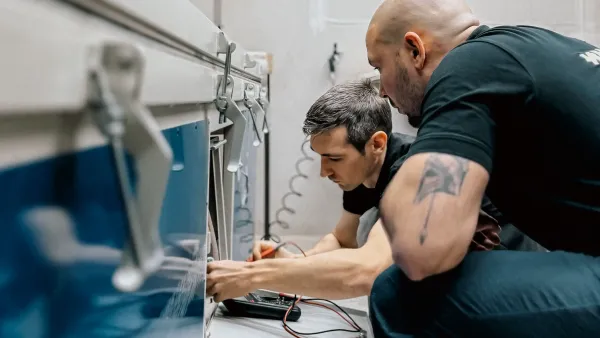
Electronics buyers need more than a price and a stock count — when datasheets and lead times live in separate systems, the sale st…
When planting windows open, agricultural buyers can't wait two days for a stock confirmation email. Here's how suppliers can keep …
Construction buyers don't order on a fixed cycle — they order for projects, in shifting quantities, against deadlines that move. H…
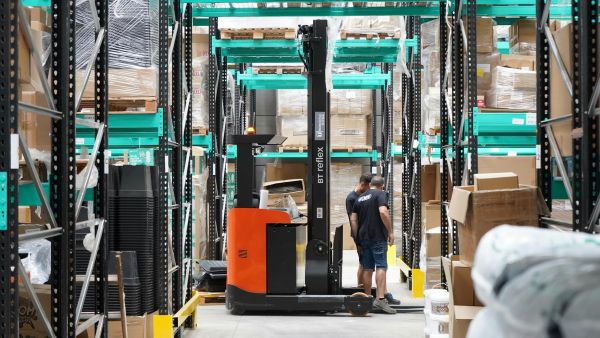
Industrial buyers know exactly what they need — but phone and email reordering slows everyone down. Here's how a self-service B2B …
Email threads and phone calls can't keep up with the complexity of food wholesale. Here's what breaks — and how a dedicated B2B or…
Stock changes daily, availability windows close fast, and buyers want answers now. Here's why email-and-phone order management bre…
Matrix ordering, lookbook catalogs, and midnight trade-show buyers expose the gaps in generic OMS tools. Here's what fashion whole…
When a machine goes down, buyers need the right part in minutes, not a phone call and a wait. Here's why catalog accessibility is …
B2B ecommerce in 2026 is still broken by manual order intake, siloed tools, and buyers who expect more. Here's what's actually fai…
Your sales rep opens Monday morning to 23 forwarded emails with PDF attachments. Every one is a customer order. Here is why that p…
As ecommerce and EDI systems collide, B2B sellers face a fragmented order intake mess. Here's how to unify channels without losing…
B2B order errors cost distributors far more than the value of a wrong shipment — stale catalogues, manual entry, and disconnected …
We use cookies to understand how visitors use our site and improve your experience. Learn more